Interrogating the hegemony of human-dominated theatrical spaces and renegotiating the dynamic tension between non-human beings and human-centered theater, the Dansong County Theater Troupe pioneers experimental frameworks for avant-garde performance. At its core lies a provocative inquiry: Could monkeys - humanity's closest non-human relatives - become legitimate performing subjects in contemporary theater? While seemingly abstract, this question resists facile answers.
The ongoing "zoological turn" in contemporary performance deconstructs anthropocentric binaries that traditionally segregated humans from animals. Within posthumanist discourse and modernity's transformative context, boundaries between animal agency/human subjectivity, performative art/life installations grow increasingly porous. Through documented training methodologies with simian performers and innovative integration of primates with theatrical elements, this production examines simian performativity as both catalyst and medium - probing revolutionary possibilities for post-human theater and redefining the very ontology of post-human performance.
Playwright’s Bio
Li Xiuyuan, born in February 1998 in Nanjing, Jiangsu Province, is a typical Aquarius and INFP personality. After studying at the School of Literature at Nanjing University for seven years, he happily graduated this summer. During his studies, his inherent laziness and lack of focus prevented him from producing scripts seriously—only under the guidance and pressure from his supervisor during undergraduate graduation and master’s thesis proposals did he manage to complete some commendable works. He once spent long periods immersed in theater work but suddenly realized that prolonged time in dark spaces could lead to chronic illnesses. Consequently, he dedicated significant time to exploring the vast world and joyfully discovered countless complex, fascinating, and story-worthy phenomena unfolding around him. Since completing the aforementioned script, he has finished writing two new play scripts. Life feels meaningful, and winning the Fanhua Award marks the best beginning for his creative journey.
Playwright’s Comments
On the evening of March 31st, while chatting with a friend, he mentioned sending me an award notification email tomorrow to "celebrate April Fool's Day". The next day dawned as an ordinary spring morning with flawless weather. Through office curtains, I gazed absentmindedly at the hazy tree shadows when the Fanhua email notification popped up on my phone. "How predictable," I thought, "forewarned pranks lose all their charm." Yet a warm flicker of gratitude emerged - he'd actually gone through the trouble to prank me properly.
The more I read the email, the more impressed I became. "This level of detail... he's really outdone himself." Then I clicked to check the correspondence history. "Wait... this is the official email account?" For one crystalline moment, I felt the 70% liquid composition of my body solidify. Frantically cross-checking the information, reality dawned.
Such sudden blessings have brushed against my twenty-something life a few vague times before, all eventually fading into oblivion. Life shapes itself through accumulated surprises - both wondrous and devastating. Our task is simply to adjust our stance, not for grace but for steadiness, as we transition between phases.
May Fanhua continue flourishing, may the world trend toward betterment, may my path stay secure, and may teachers, family, and friends remain safe, healthy, and thriving.
This memory, I think, will stay crystalline for years to come.
They look at each other - the old journalist is in the defendant dock, the middle-aged journalist is in the gallery and the young journalist is at the press table. They look back into the past, recalling every moment witnessed only by their own eyes, pondering how they survive and live until now. As journalists living in the present, carrying the weight of all memories on their shoulders, what kind of future are they envisioning as they look ahead?
Playwright’s Bio
Hong Kong playwright. Known by the pen name Lau Ying, she has written plays including ‘Letter in the Wind’ and ‘Wall and Door’, as well as theatre reviews and cultural features in the media. She has also worked as a dramaturg, co-translator and devising actor in major theatre companies and school productions in Hong Kong. She believes that theatre is a place for understanding, connection, inspiration and imagination. She is dedicated to creating and imagining in Hong Kong.
Playwright’s Comments
On the day I learned about the award, after the initial excitement faded, memories of the moments putting pen to paper flooded back. Listening to the stories of former colleagues and journalists, I decided to write a script for them because I believe that those who are still on the frontlines witnessing events, striving to report the truth and make the world slightly better, are the heroes of our time. I hope this script can capture some of their presence and preserve some of their heartfelt words.
I am extremely grateful to WSDC for bestowing upon me my first award as a playwright. Allow me to express my gratitude: Thank you to ST for conducting research and editing for this piece just before the deadline, as well as supporting me throughout my creative journey and believing in my work more than I do; thank you to H for affirming my creative instincts and encouraging me to write this piece in a ‘direct’ way; and thank you to K for inviting me to participate in her project about journalists, and share with me the imagery of a journalist seeking light in a dark courtroom. I am thankful to my family for supporting me in pursuing what I love, to my many teachers and friends for their encouragement, especially to V who introduced me to the beauty of theatre and has been by my side ever since, and to my comrades SH and C, who have nurtured my creativity and soul.
A week after receiving the award, I began to feel the fears buried deep inside me, the pain of witnessing events without the power to make changes. It is a feeling that journalists always experience and I hope I can overcome it by writing. Therefore I have to thank myself for getting through moments when my work was criticized for lacking ‘transformation’, continuing to create works that care about people and the world. I will collaborate with more creators that care about people and the world, and keep writing in the future.
This play unfolds through a theatrical parody of filming a road movie.
Following the death of her father, Runyue—a travel blogger who has been inactive for over three years due to the pandemic—sets off once again on a journey into the unfamiliar. Her destination this time is Laos, a sun-drenched, impoverished socialist country in Southeast Asia.
Accompanied by Yongzhen, a young local girl working as her driver, Runyue begins the trip. Carried by the momentum of her previous travels, she seeks to uncover and narrate stories of “other cultures,” hoping to gain attention and clicks.
As she encounters a series of strangers from different countries, Runyue gradually opens up, assembling fragments of her inherited history shaped by migration and industrial construction.
In the latter part of the journey, she begins to notice the subtle imbalances and inequalities embedded in everyday life. Yet even then, she remains caught in a longing for the collective factory life of the past, unable to fully step into modernity.
Playwright’s Bio
Born in the 1990s in Fujian, I am a theatre practitioner with a Master’s degree in Arts from Nanjing University. I studied sociology as an undergraduate and later turned to theatre for my Master’s. Soon, I will begin my PhD in anthropology. To me, these fields are essentially connected—they are all ways to understand and respond to the environments we live in.
I’ve created a few theatre works in the past, some of which were fortunate enough to receive recognition, though I’ve never been fully satisfied with them. Looking ahead, I hope to explore new directions, such as applying theatre methodologies to research in the humanities and social sciences. I also plan to develop toolkits for puppetry and documentary theatre.
Playwright’s Comments
In 2023, I traveled to Laos to take the IELTS exam. The cultural shock I experienced there was far more profound than anything I had felt in Europe. Perhaps it’s because we are intimately familiar with Western philosophy and art history, while our own “neighborhood”—Southeast Asia, including Laos—is often reduced to a site of tourism consumption. And Laos isn’t even seen as an appealing destination like Thailand is.
I was struck by the poverty I saw, the wounds left by war and colonization. In that moment, I suddenly realized how much more closely our histories are entangled than I had imagined. We share far more with the Lao people—followers of Theravāda Buddhism—than we do with the West. For the first time, I felt in my body what it meant to be “Asian.” What I write about is a kind of “inexplicable desire to save,” but also a deep “Asian sorrow.”
I strongly resonate with a line from Mo Yan’s postscript to Frog: “The guilt of others is also my guilt.” Among all living beings, we humans have claimed the privilege of being at the top—and for those of us with access to higher education, the additional privilege of interpreting the world and articulating its meanings. Everything I create or do is not only a form of self-expression, but also an act of atonement.
I never planned to become a “playwright,” either in terms of personal identity or career goals. But the recognition I received through this competition has encouraged me to hold on a little longer to my vision of experimental theatre—to see writing as part of theatre-making, and theatre-making as part of social action. If one day I completely give up on theatre, I hope to go to Southeast Asia and carry out some serious fieldwork.
My introduction to theatre came from my mentor, Professor Lü Xiaoping, and I was fortunate to learn from many brilliant scholars in the Department of Drama and Film at Nanjing University. I also received guidance from Zhao Chuan and Wu Meng of Grass Stage, and Wang Mo-lin, a pioneer of Taiwan’s small theatre movement. I have been blessed with far too much generosity to name it all here. I am deeply grateful to all the teachers and friends who have supported and accompanied me along the way, and to the friends who offered invaluable feedback during the process of creating this play.
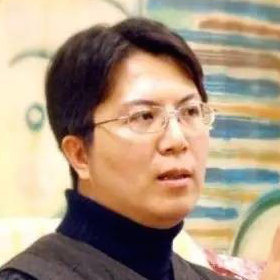 Shan-lu Yu
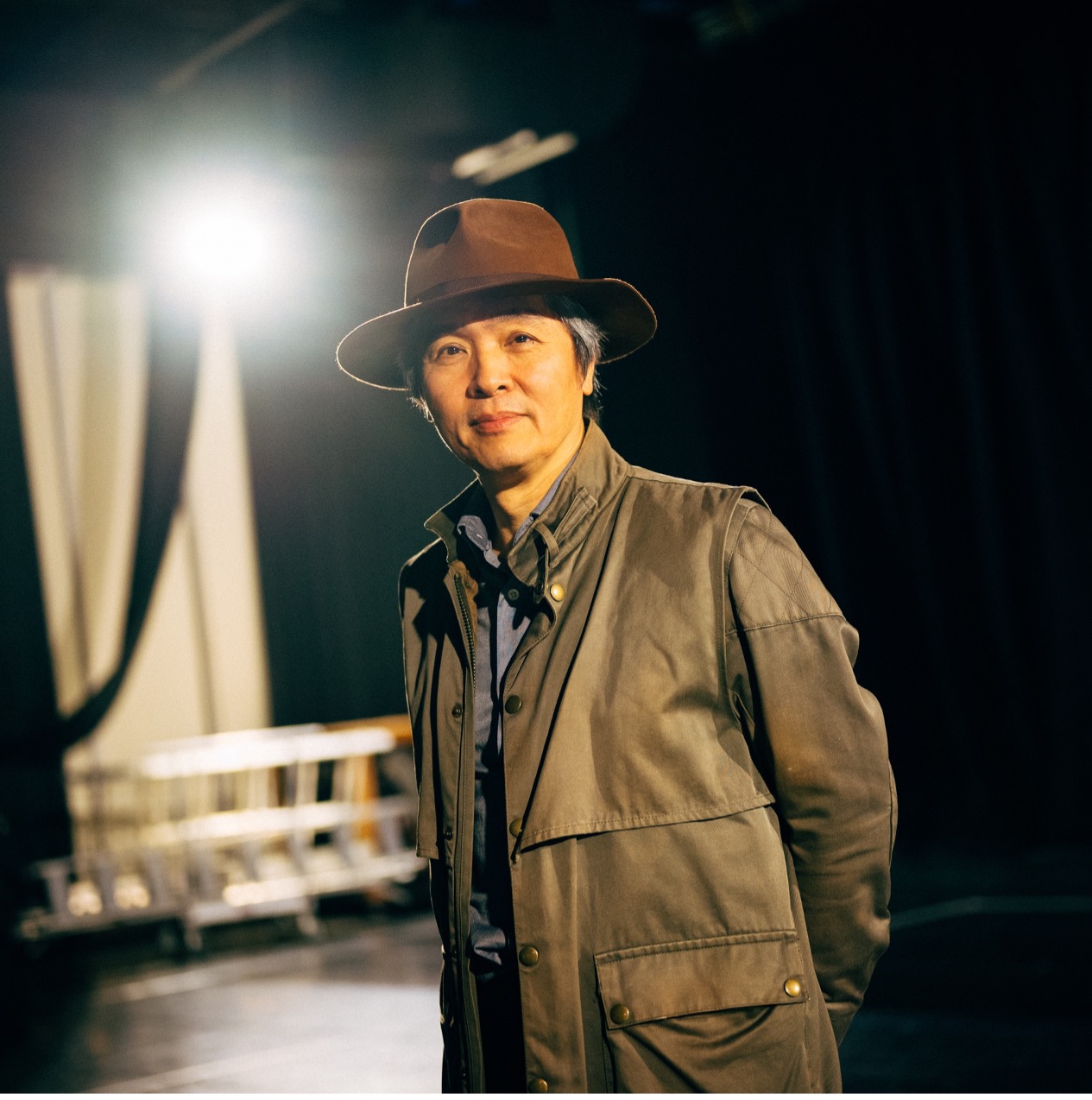 Austin Mang-Chao Wang
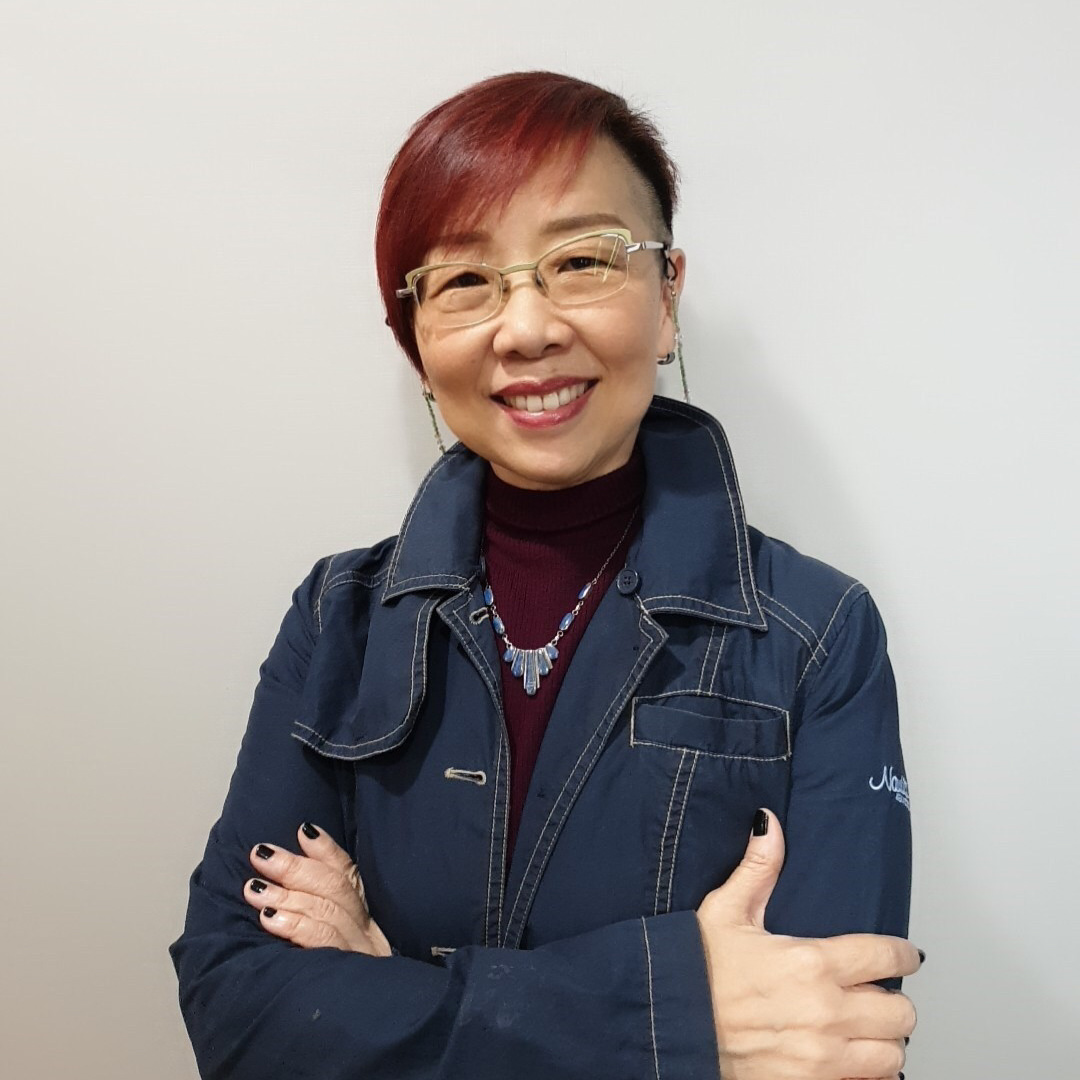 Katherine Hui-Ling Chou
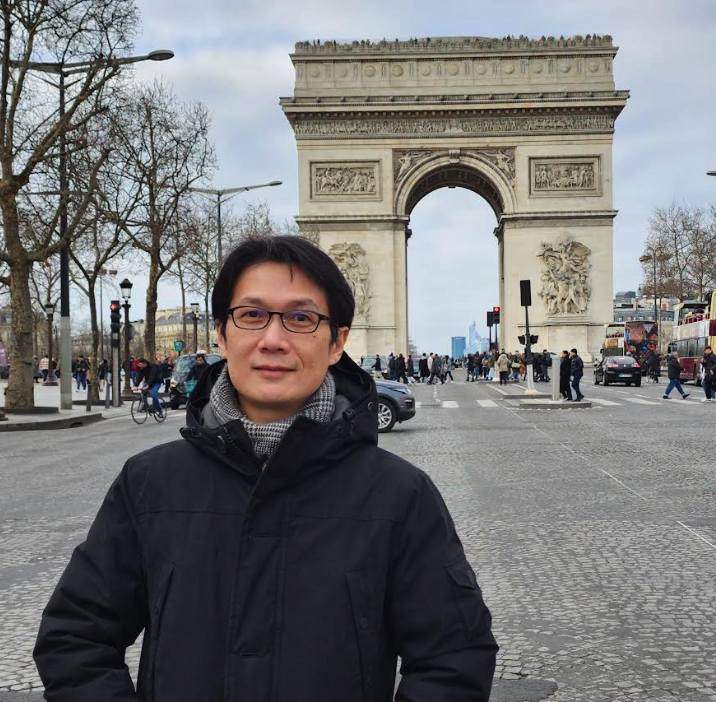 Shih-Lung LO
-edit.jpg) Wei-Ger TONG
Wei-Ger TONG
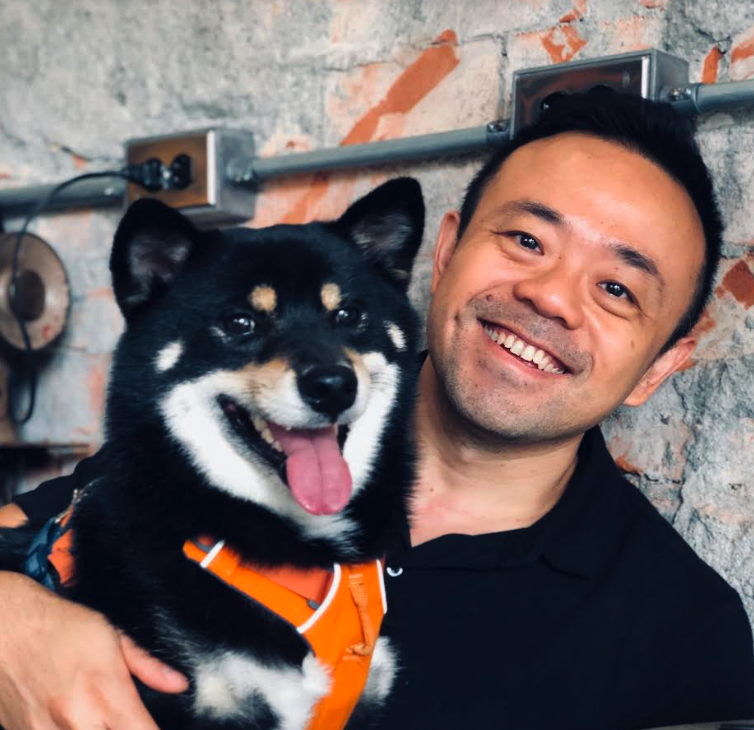 Walter HSU
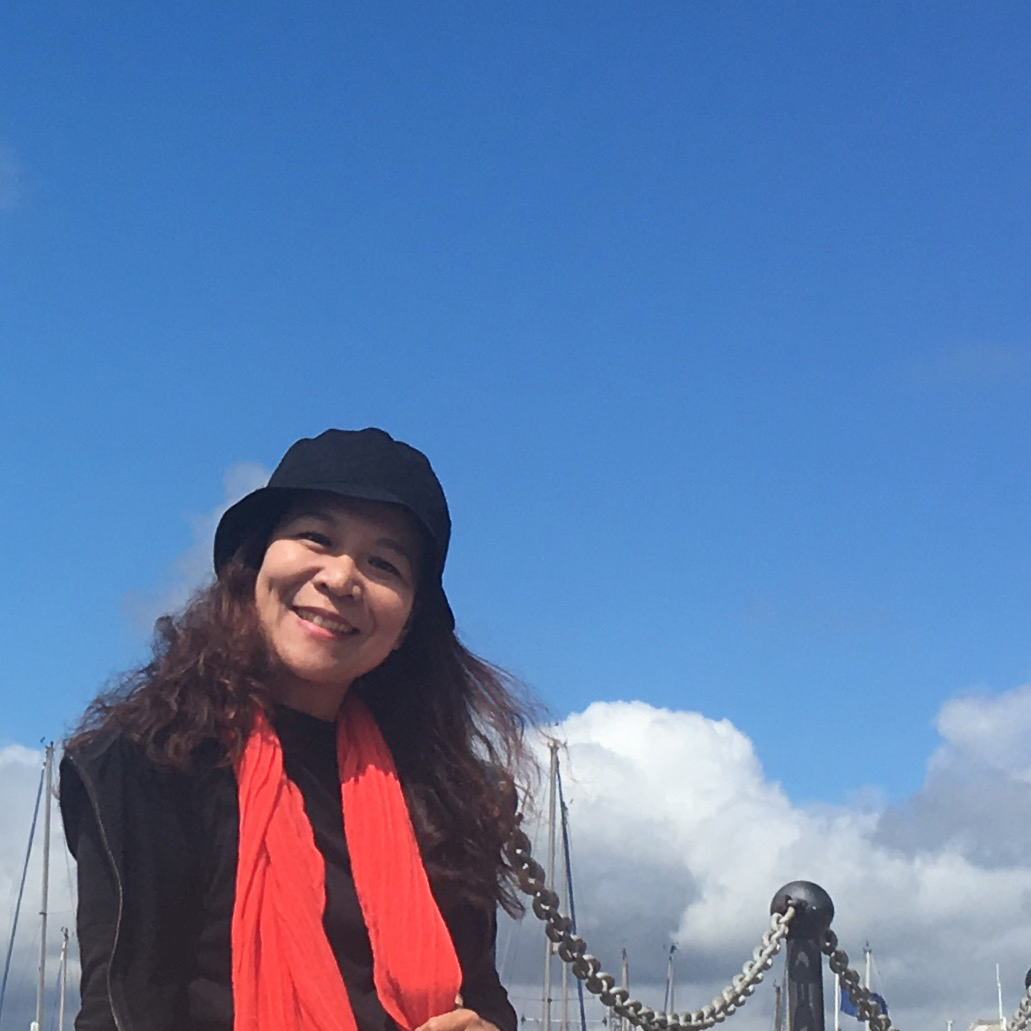 Jia-Iuan CHIN
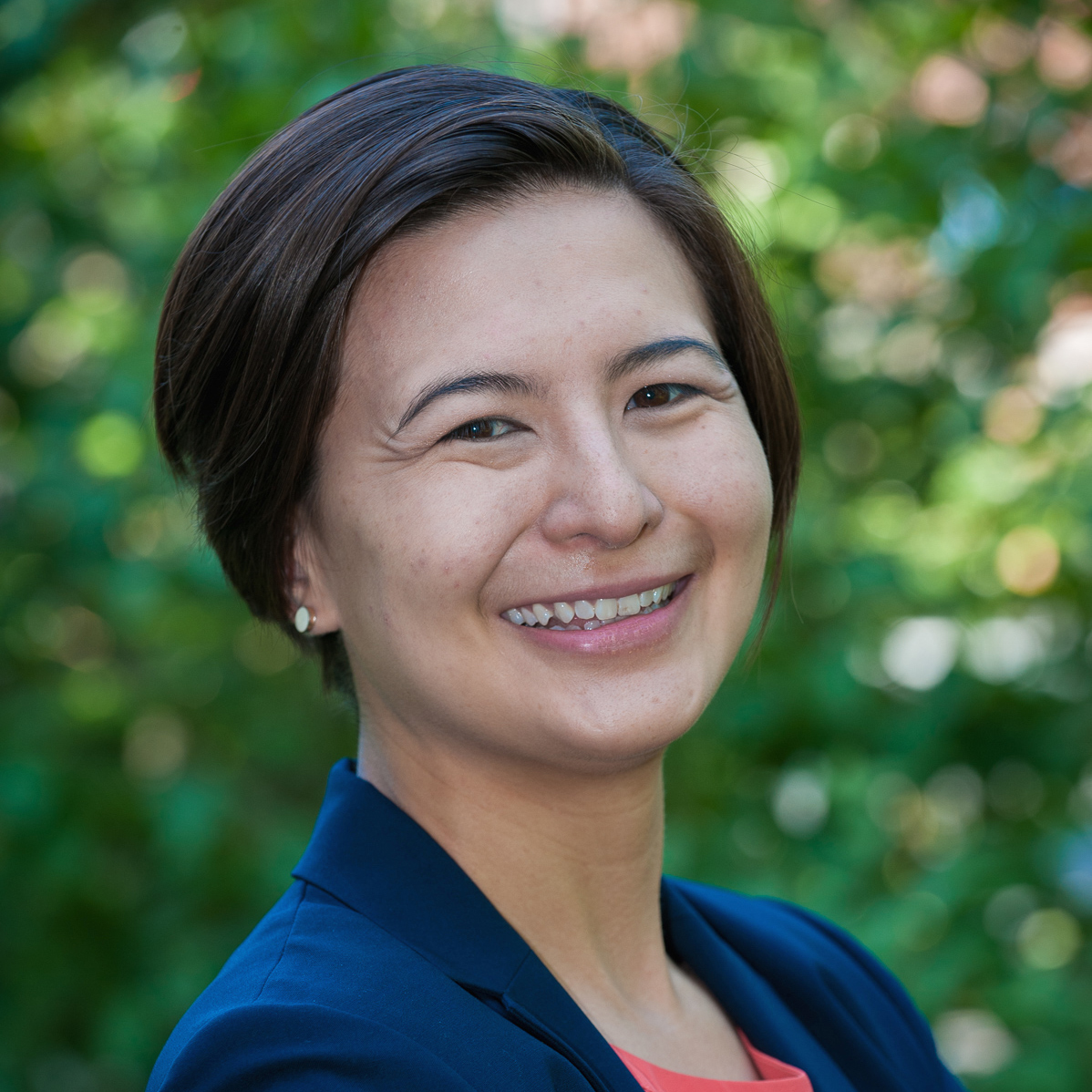 Tarryn CHUN
 Mok Sio Chong
 Joshua Sofaer

 Chen Tian
 Josh Stenberg